Sometimes, anxiety doesn’t start in your head — it starts in your body. That tight chest, restless energy, or racing thoughts? That’s your nervous system trying to keep you safe… and occasionally choosing the worst possible time to make a spectacle of itself: like 2 a.m.
The Night I Talked Myself Down (with Chamomile Tea, Emails, and a Brain That Actually Listens)
I was wide awake at 2 a.m., fully aware that my body was ramping up for anxiety — cortisol buzzing, muscles tense, heart alert — enough to make my nervous system feel like it had signed up for a surprise midnight obstacle course.
And yes — even trauma therapists get anxiety. Shocking, right? We spend our days helping others regulate their nervous systems, and yet sometimes ours decide to throw a private 2 a.m. performance. Consider it research, with chamomile and spreadsheets.
Instead of letting it spiral, I fully engaged my prefrontal cortex — yes, the part of the brain that actually thinks things through — and zeroed in like a laser on distinguishing anxiety from panic. I carefully listed five differences between the two, almost like a scientist documenting a rare phenomenon, reminding myself over and over: my body was reacting, but I was not in danger. That moment of focused clarity wasn’t just helpful — it was a small triumph, a deliberate act of self-soothing that built a sense of control from the inside out.
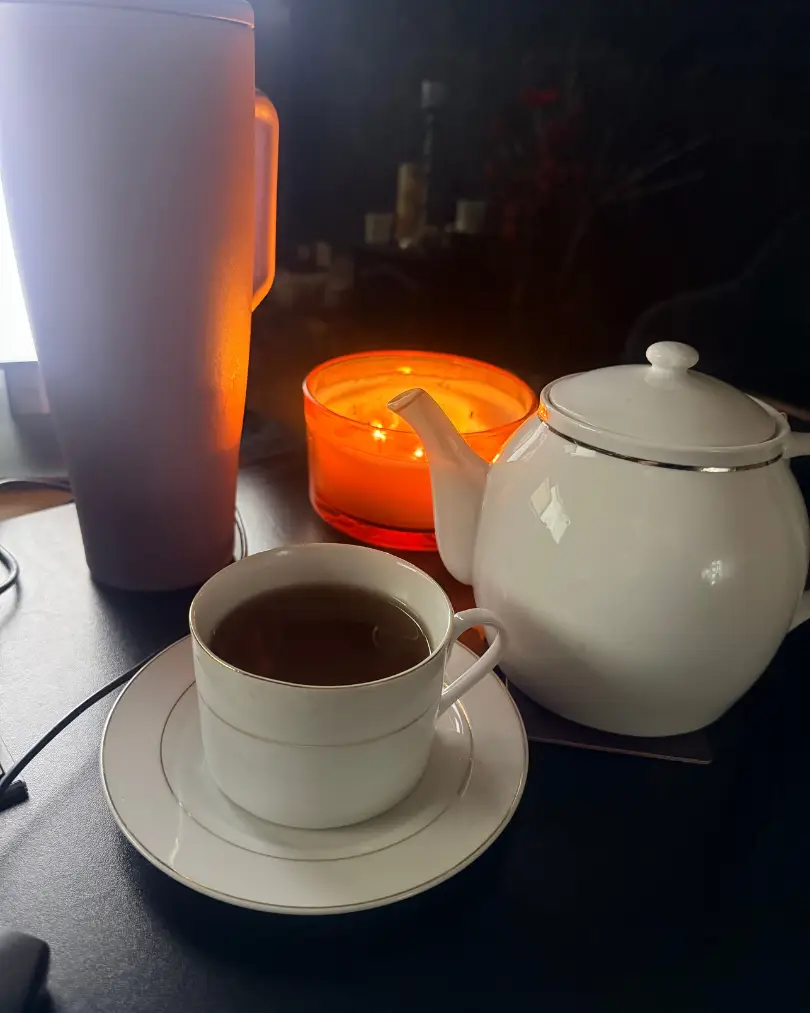
Then I got up, made a cup of chamomile tea — because apparently calm tastes like herbal flowers — and even answered a few emails (midnight productivity strikes again). Within minutes, the tension eased, my thoughts slowed, and my body felt safe enough to drift back to sleep. In that quiet, slightly theatrical moment, I realised: even at 2 a.m., this one trauma therapist and most importantly human can use her brains, her tools, and a little humour to guide her own nervous system safely back to calm.
What Nervous System Regulation Really Means
Your nervous system is more complicated than just fight, flight, or freeze. Here’s a trauma-informed snapshot of how it can show up:
- Fight/Flight (Sympathetic Activation): Heart racing, muscles tense, cortisol high — basically auditioning for an action movie.
- Freeze/Shutdown (Dorsal Vagal Immobilization): Feeling numb, detached, or “stuck” — like your body is hiding from a threat it’s sure exists.
- Social Engagement / Safety Mode (Ventral Vagal): Calm, connected, able to think clearly and interact without wanting to hide under the bed.
- Hyperarousal / Hypervigilance: On edge, scanning for threats — even your cat’s sneeze counts.
- Dissociative or Shutdown Variations: Spaced out, foggy, or disconnected, sometimes after prolonged stress — kind of like buffering on your own brain Wi-Fi.
Regulation is helping your system move fluidly between these states, nudging it toward calm without judgment. And yes, even at 2 a.m., with tea in hand and emails done, it’s possible.
Signs You Might Be Dysregulated
- Racing thoughts or overthinking (your brain as a relentless podcast host)
- Tight chest, shallow breathing, or nausea
- Feeling emotionally flooded or numb
- Social withdrawal or irritability
- Restlessness or an urge to escape
Think of these as your nervous system politely waving a flag: “Hey, a bit of support here would be nice — and maybe some tea too.”
Funny-but-Effective Tools for Nervous System Regulation (and Why They Work)
Grounding (Focus on What You Can Control)
- Press your feet into the floor — politely reminding your body it’s not auditioning for a rocket launch.
Why it works: Physical connection signals safety and anchors racing thoughts. - Name 5 things you see, 4 things you feel, 3 things you hear — your brain’s personal game show.
Why it works: Pulls attention to the present, quieting your inner overthinker.
Breathing
- Box breathing: inhale 4, hold 4, exhale 4, hold 4 — because apparently, your lungs enjoy structure.
Why it works: Activates the parasympathetic system, slowing heart rate and stress hormones. - Physiological sigh: two short inhales, long exhale — your lungs’ way of dropping the mic on tension.
Why it works: Quickly releases built-up stress chemicals.
Movement
- Gentle stretching or shaking out tension — fancy enough to feel classy while actually shaking stress off.
Why it works: Moves energy through your muscles and reduces cortisol. - Walk slowly around the room and notice what shifts — pretend you’re leading a private museum tour of your nervous system.
Why it works: Sensory input + motion = “Hey body, it’s safe here.”
Self-Soothing
- Hand on chest, hum softly — like you’re giving anxiety a polite nudge: “Not tonight, buddy.”
Why it works: Stimulates the vagus nerve, promoting calm. - Sip tea, play comforting music, or enjoy a soothing scent — pick your armor of calm.
Why it works: Engages your senses to override the stress response.
Micro-Boundaries
- Saying no to small demands — reclaim your agency like a boss.
Why it works: Reinforces control, reducing feelings of helplessness. - Stepping away from notifications or overwhelming stimuli — a classy mic-drop on sensory overload.
Why it works: Gives your nervous system space to downregulate.
Even one or two of these in the moment can make a noticeable difference and help your nervous system feel a little less like a drama queen.
Daily Nervous System Maintenance
- Quick check-ins with your body (1–2 minutes is plenty)
- Journaling sensations without judgment
- Gentle routines: sleep, meals, movement
- Celebrate tiny wins — surviving 2 a.m. counts as a major victory
A Gentle Reminder
Regulation isn’t linear. Some nights will be harder than others. Some moments will feel overwhelming no matter what. That’s normal.
The exciting part? Small, consistent practices — tea, emails, hums, and a little cognitive elbow grease — teach your nervous system how to calm down, even at absurd hours.
Feeling stuck with anxiety, overwhelm, or trauma? Support can help. Working with a therapist can give you personalised tools, accountability, and guidance to rebuild safety, calm, and confidence from the inside out.